League of Legends – EU Masters Spring Season 2021

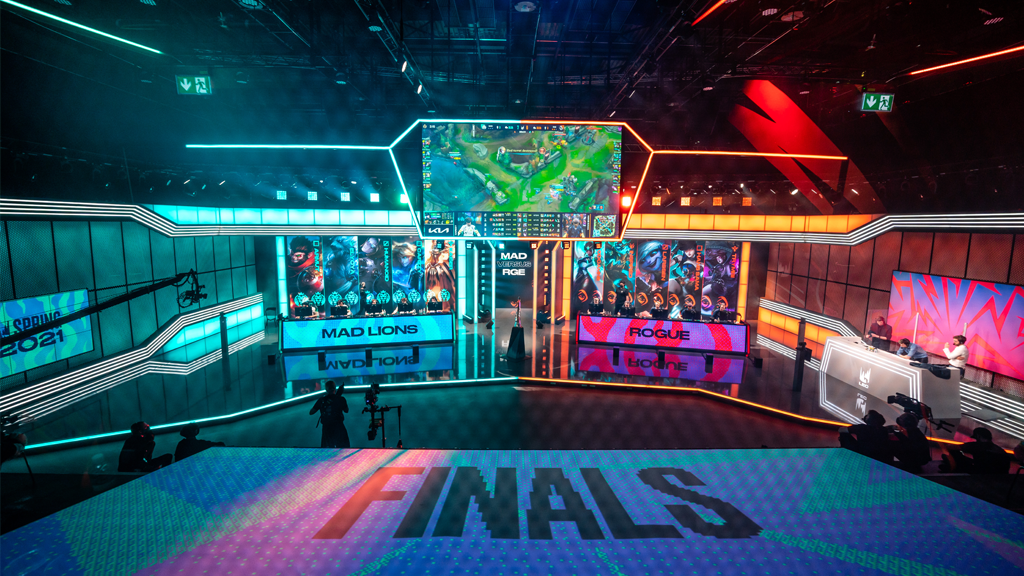
Big sounds for big tournaments. The LEC, the League of Legends European Championship, released new trailers to hype up their spring 2021 tournament.

Featuring sound design and audio mixed by Dynamedion, the trailers built anticipation and captivated fans from across the world.
league of legends, dynamedion, sound design, trailer

 (Credits: Photo by Michal Konkol/Riot Games)

Project: League of Legends – Spring Split 2021 / EU Masters Spring Season 2021

Client: Riot Games Berlin / “All Or Nothing” Trailer – YUNG ELDR

We Did: Sound Design, Audio Mix


The LEC hosted their annual Spring Split in a new online only edition. Releasing several trailers, they were able to build the excitement of fans all over Europe who were ready to tune into their YouTube channel. Dynamedion’s Benjamin Drumeaux did the sound design for the trailer for the semi-final game between the teams G2 and Rogue as well as the sound design and mix for this trailer and video about the tournament’s most-valuable player, G2’s Martin “Rekkles” Larsson.  

“It was important to me to create a cinematic experience through sound design to arouse the emotions of the consumers, as LEC is very much about emotions and hype,” Benjamin said. “Also it’s important in such short trailers to keep the consumer’s attention all the time so that they end up saying, “Wow! I enjoyed watching that!’”

Just a few days later, the LEC released a fantastic new trailer announcing the 7th European Masters tournament. Dynamedion also did the sound design and mix and showcased the unearthly and abnormal sounds of our BOOM Libraries SFX. This track was also featured on the League of Legends Main Menu. 

When asked where Benjamin sourced many of the sounds he used, he replied: “I mainly used sound from our two new collections, MUTATE ORGANIC and NEON, as they are very suitable for creating cinematic sound design.”  

Our involved team:

Sound Designer: Benjamin Drumeaux

Are you also interested in working together with Dynamedion? Check out our services and tell us more about your project!

 

Capital Bra – Pizza GANGSTARELLA

He made a pizza. We made the sounds. Capital Bra’s Pizza Gangstarella video commercial – with sound design and audio mix by Dynamedion – will be especially interesting for our German speaking customers.

bra, capital, pizza, gangstarella, video

Project: Capital Bra – Pizza GANGSTARELLA

Client: Heiko Hammer

We Did: Sound Design, Audio Mix


Germany’s most successful rapper of all time, Capital Bra, has been landing hit after hit. He’s at the top of the charts and last but not least, has launched his own Pizza GANGSTARELLA onto the market. We had the great honor to do the sound design and mix of this commercial video, directed by Heiko Hammer.

The pizza is crispy, thickly topped, and incredibly tasty. We hope our sound design tastes just as good 😉

Our involved team:

Sound Designer: Benjamin Drumeaux

Director: Heiko Hammer

Are you also interested in working together with Dynamedion? Check out our services and tell us more about your project!
 

Need for Speed: Heat

banner

Dynamedion provides car sound recordings for
"Need for Speed: Heat" by "Electronic Arts / Ghost Games"

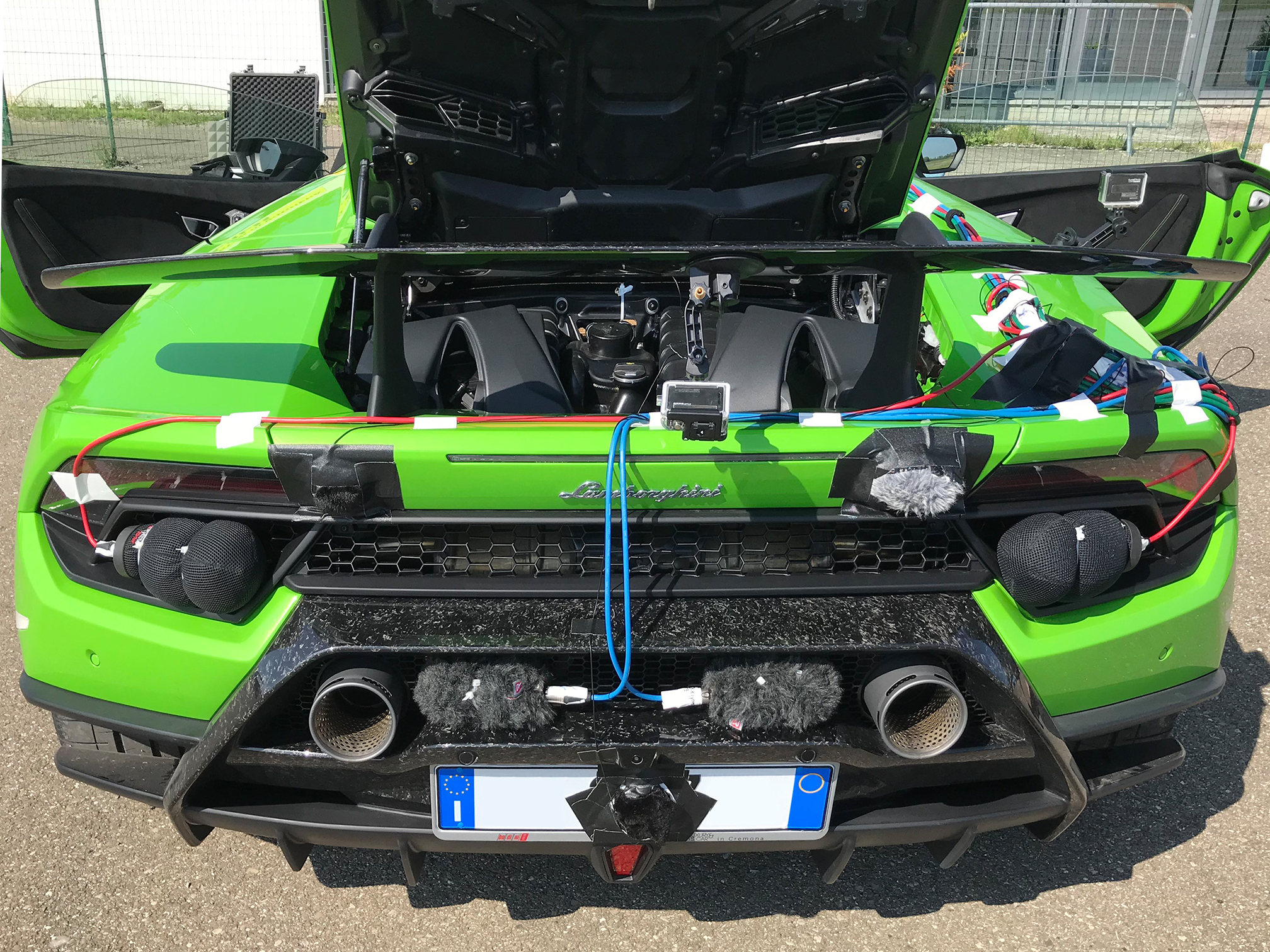
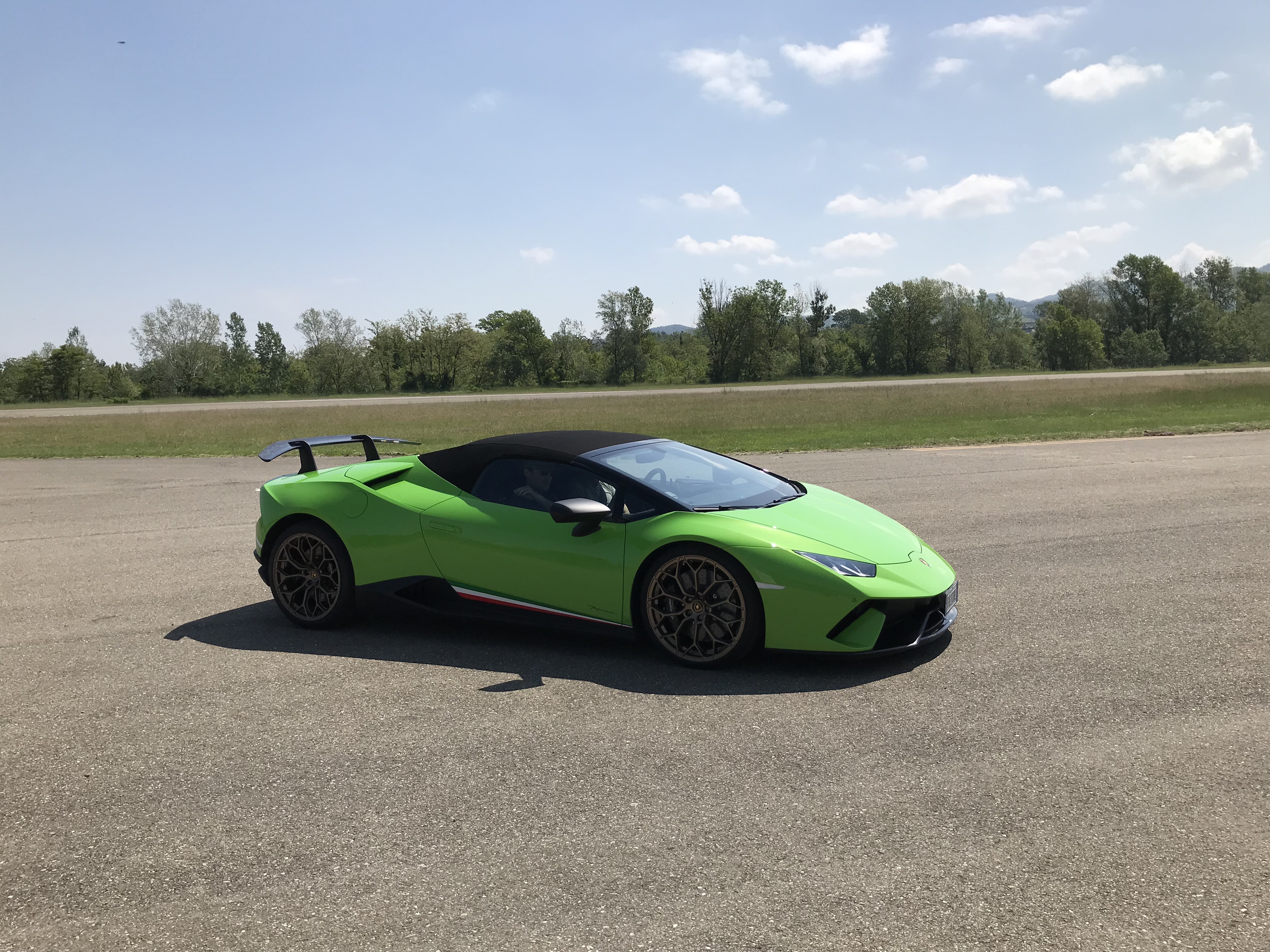
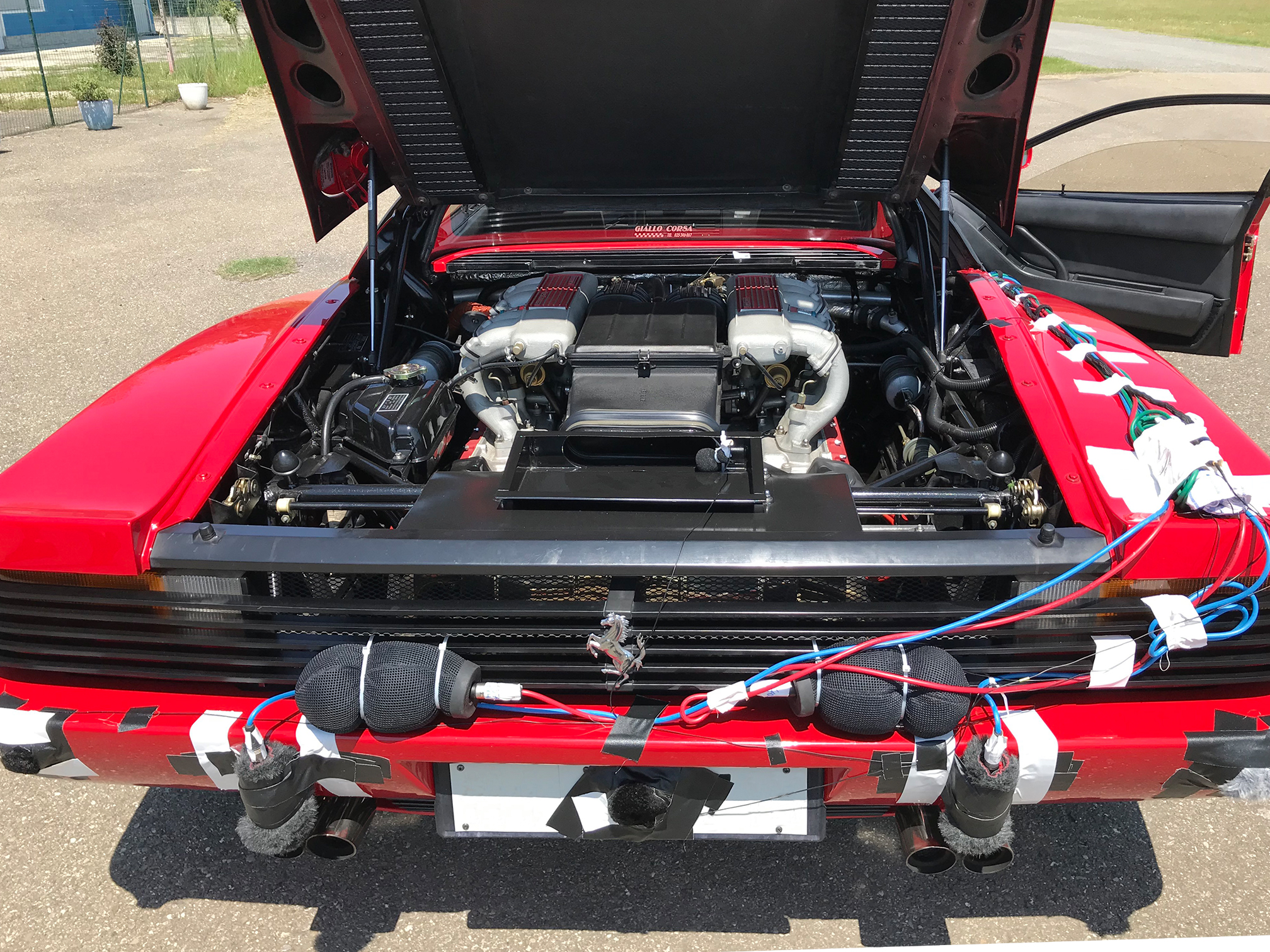
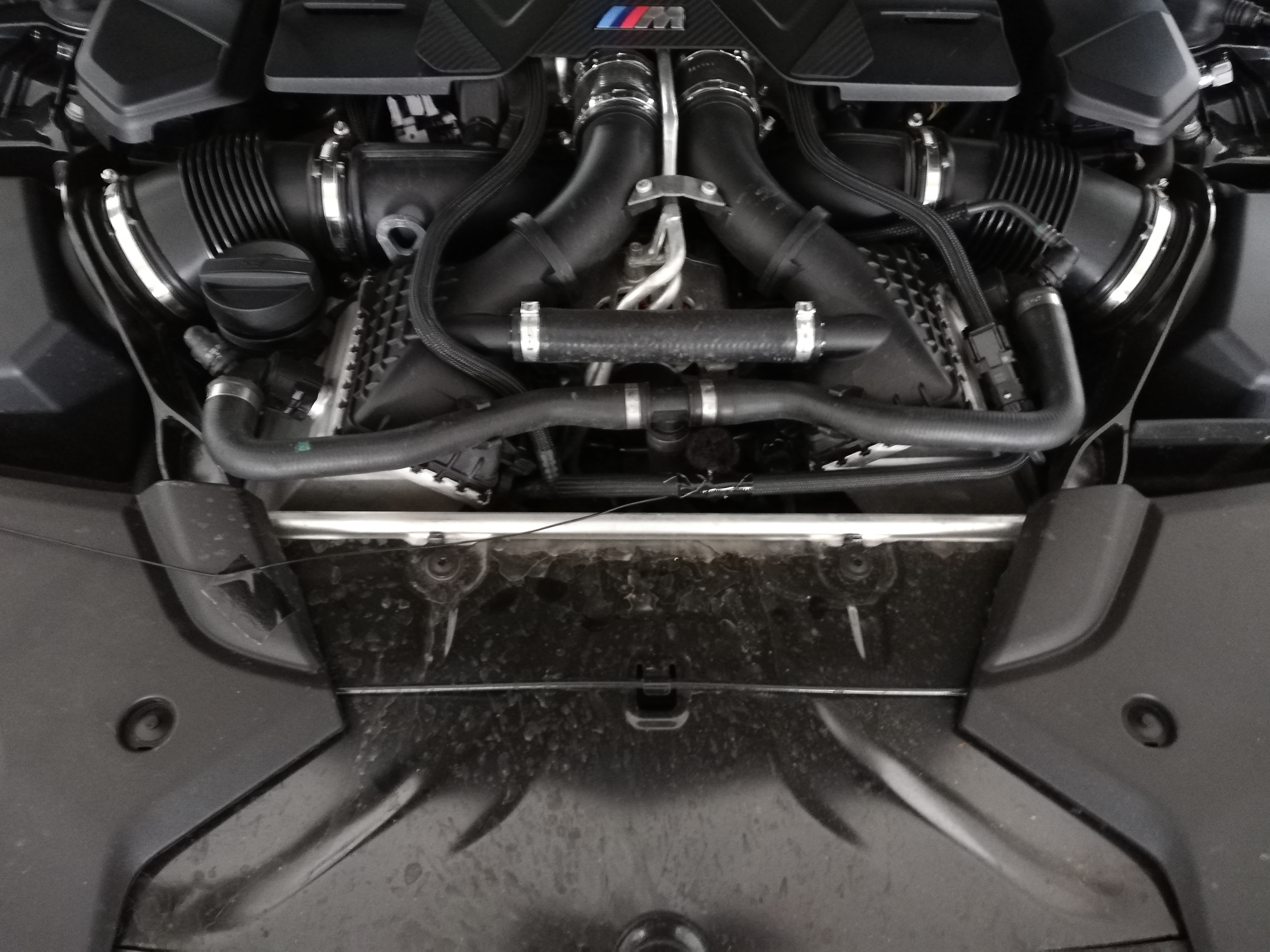
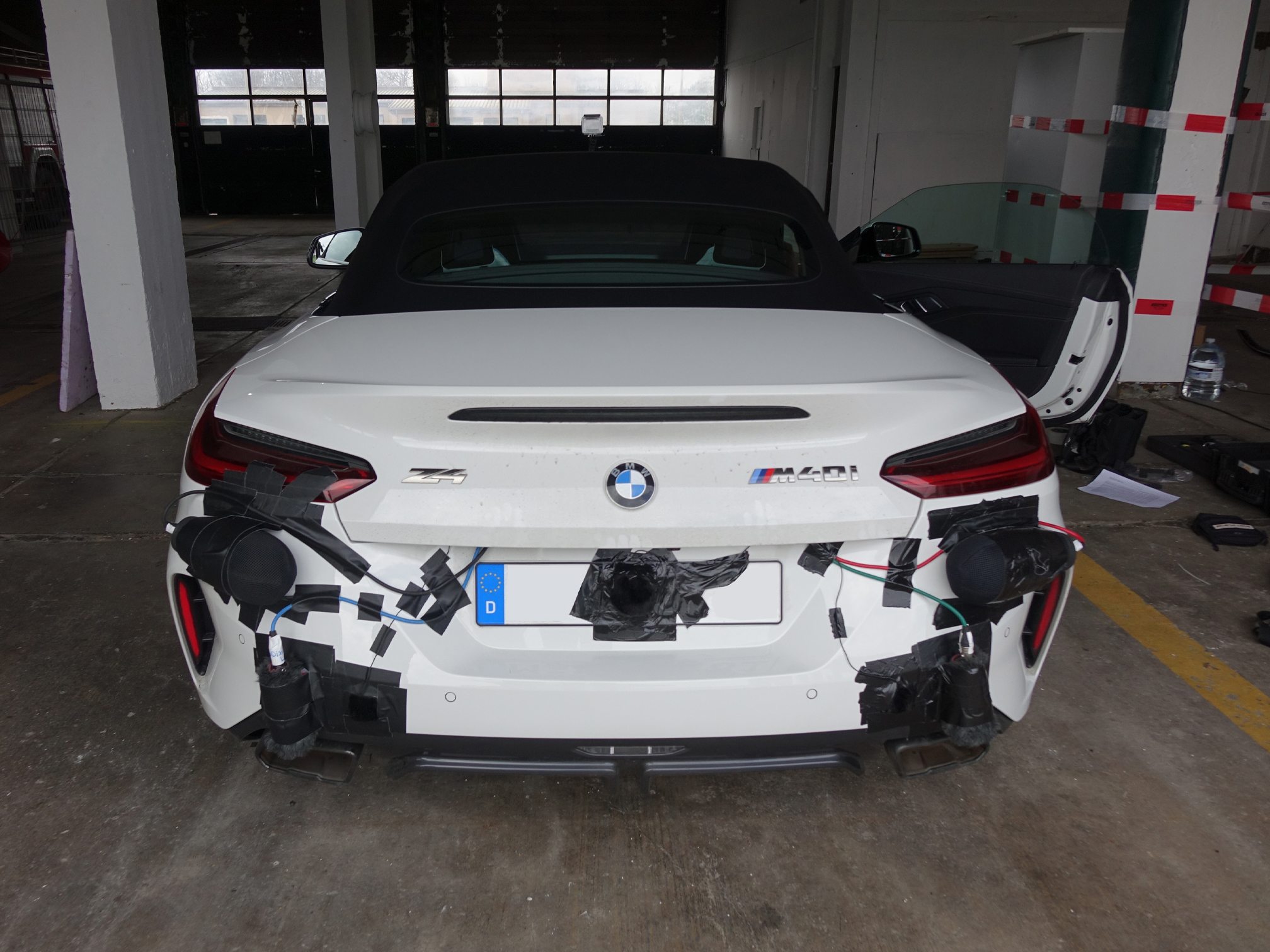
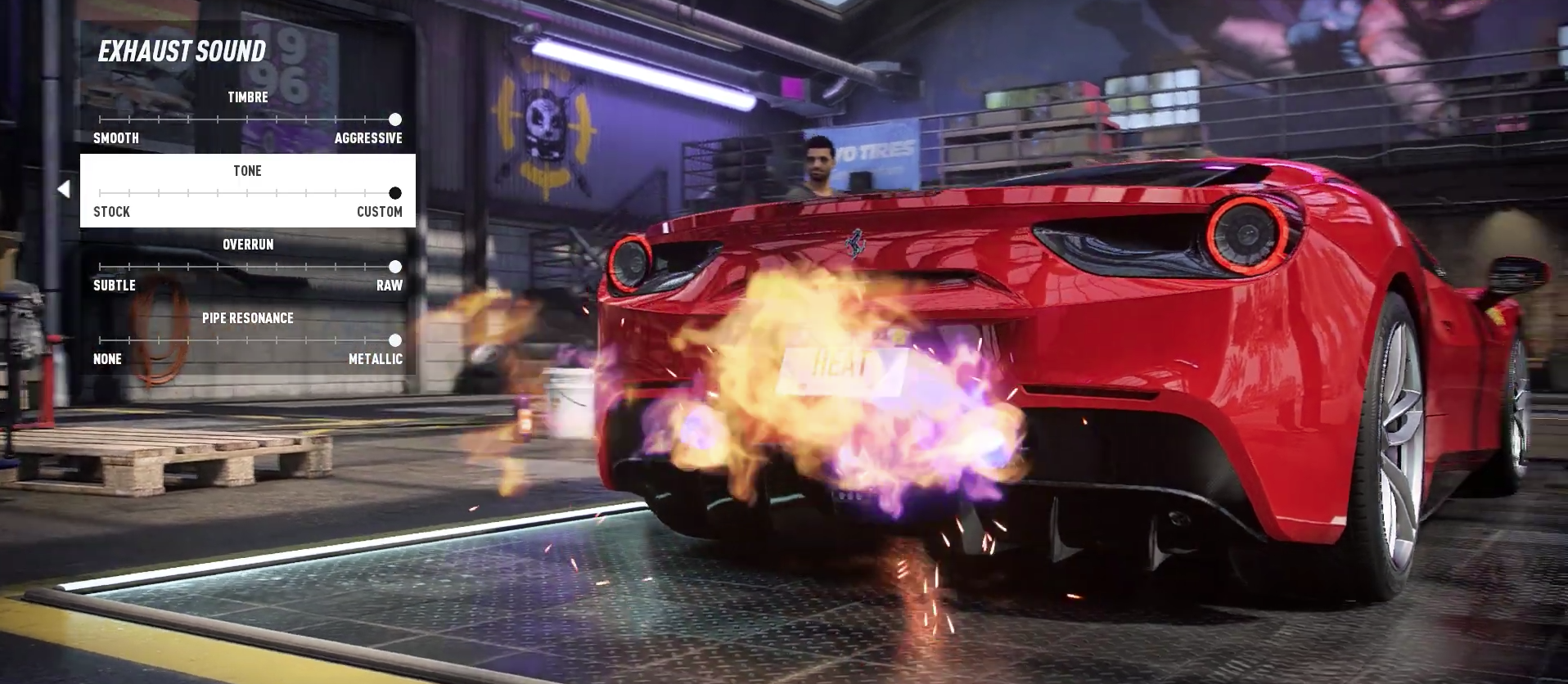
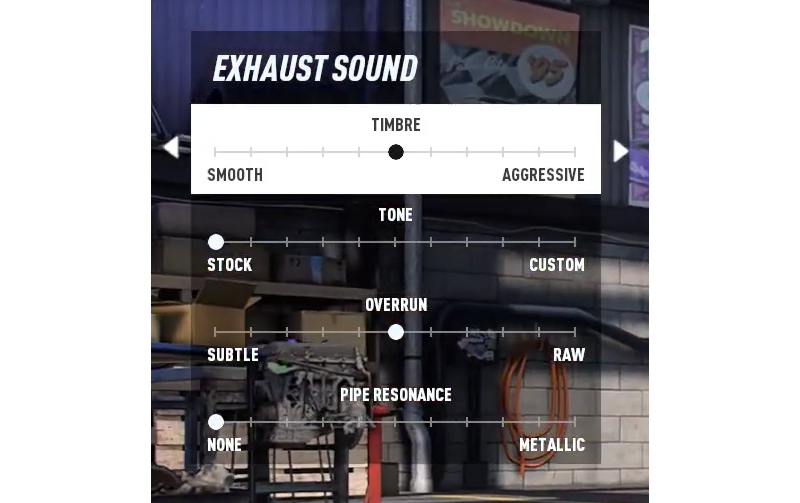
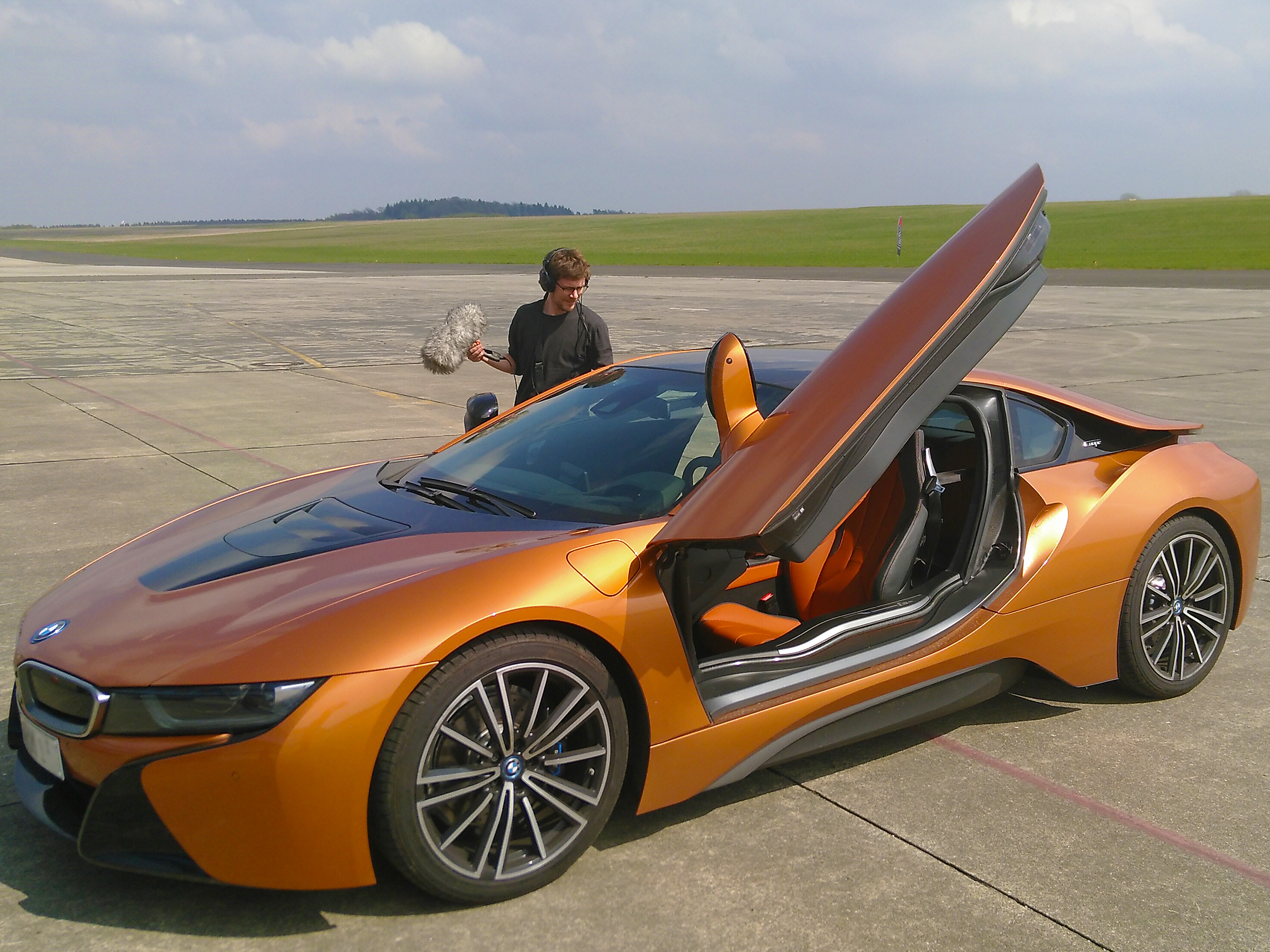
The most famous arcade racing game “Need for Speed” is back with its new title “Heat” published by Electronic Arts, which surprises with new sound customizations never seen before in any racing game. We had the honor to record six cars for the developer “Ghost Games”. Ranging from the brand-new hybrid BMW, over vintage and modern Ferraris to a brutal Lamborghini. Besides that we licensed three existing recordings from our vehicle catalogue.

Project: Need for Speed: Heat

Client: Electronic Arts / Ghost Games

We Did: Sourcing & Recording • Licensing of existing recordings

We love to record cars and have done so numerous times. Getting the opportunity to source, record and license different vehicles for the highly acclaimed video game series Need for Speed makes us really proud – to say the least. In total four of our recordists – Patrice Börding, Severin Schwarz, Benjamin Drumeaux and Frederic Schmidt – where involved in capturing these cars:


Which Cars Did We Record?

BMW M5 (F90)

BMW i8

BMW Z4 M40i

Ferrari Testarossa

Ferrari 488GTB Spider

Lamborghini Huracan Performante Spyder 2018


Which Cars Did We License?

Nissan GT-R R35

Lamborghini Countach

BMW S1000RR

One of the biggest joys of our recordists is of course to co-drive in such extreme sportive cars. See a short impression of the joy ride in the Ferrari 488 GTB below:

DISCOVER OUR SERVICES

Meet us at the Gamescom

image (14)

We’ll be at this year’s “Gamescom” in Cologne, Germany and we’d love to meet up with you to talk about:

  • music
  • the music industry
  • your favorite games
  • your favorite Dynamedion scores
  • and of course about possible cooperations and what Dynamedion can do for you

We’ll be there from Monday, August 19th – Thursday, August 22nd
Simply click the button below to contact us for an appointment.

We’re looking forward to meeting you.

Cheers,
Dynamedion

DISCOVER OUR SERVICES

Briefing your Sound Designer

bysd_header

Congratulations; your project has reached the stage where you are getting ready to involve the sound department!

While it never hurts to think about audio as early on as possible, no matter how far your progress, there comes that point where you finally let the sound team or contractor in on what you have in mind. But what exactly do they need to know?

Quite a bit, actually. 🙂

Particularly with non-linear media (such as games), an experienced sound designer creates every sound with its destination in mind. Your best strategy is to let your sound designer know as accurately as possible, how you plan to implement their work. This might involve familiarizing yourself with a few technicalities, but don’t worry:

We’ve assembled a little checklist to cover all the bases.

1. Always Needed

1_format

File Format

Find out, which file format is required or best suited for your target platform. Here are the most common:

  • ico_topchoice  WAV: Uncompressed audio file at maximum quality, but also file size. In most cases, deliveries are made in this format, since converting to other formats later is always an option. Wwise, for example, uses uncompressed WAV during integration and later compresses to OGG when building soundbanks.

  • FLAC: Compressed, but lossless. By default, around 50% of a WAV’s file size. However, as most platforms still use other formats, chances are that you will too.

Lossy formats:

  • MP3: The most widespread compressed audio format out there and, as of 2017, patent-free. With only a fraction of a WAV’s file size, it serves as an attractive alternative, particularly for smaller games or apps. Most people can’t distinguish the difference in quality with bitrates of 128kB/s and upwards.
    Caution: MP3 files are not suitable for loops, as there will be gaps when jumping back to the start. MP3s can also serve nicely as quick preview deliveries.
  • AAC: The shiny successor of MP3. Popular in the video and film industry, AAC provides better sound quality at similar bitrates. However, it is also heavily patented, so many game engines don’t support it.
  • ico_topchoice  OGG: Open-source compression format that’s more at home in the game development world. If your engine or audio middleware allows it, we recommend OGG over MP3, as seamless loops work just fine here.

Generally, compressed files trade quality for a smaller file size and thus memory footprint.
However, loading a compressed file during runtime puts more load on the CPU than uncompressed formats, since they need to be decoded first.

Mono / Stereo / Surround

Specify how many channels a sound contains.

  • Mono, featuring only one channel, sounds as if coming only from one speaker or sound source – very narrow and un-atmospheric. Mono files are only half as large as stereo, so for many one-shots and inconspicuous elements, they already do the trick.
  • Stereo is most commonly used. Featuring two channels, it can produce all spatial effects, atmospheres and nuances possible with two speakers or headphones. When in doubt, stereo is usually the right choice.
  • Surround, quadrophonic or other multi-channel mixes might be required for specific purposes (such as ambisonics for VR).

Sample Rate

A sound is essentially a list of values between -1 and 1. The Sample rate defines how many of those can be crammed into one second, i.e. how accurate the signal will be. This affects file size and quality. To most ears, the differences are barely noticeable. Common values are:

  • 44,100 Hz: CD-Standard and the industry bottom line.
  • 48,000 Hz: Tried-and-true default rate. Sounds excellent in virtually any application.
  • 96,000 Hz and above: Suited for extreme sound manipulation or further design. Especially when altering the pitch of a sound, higher sample rates will compensate and ensure better quality.

Bit Depth

Describes the dynamic range of a sound, i.e. how precisely its volume levels can vary without starting to sound chopped or noisy.

  • 16 bit: Like 48 kHz, this is the most common and works for most assets.
  • 24 bit: Use when sounds are featured prominently, require further processing or a high definition mix is required (such as film).


NOTE: We recommend using the same sample rate and bit depth project-wide, as most engines only accept one at the same time. Converting to lower values later down the line is always possible, but not the other way round.


While differences in sound are often marginal (especially for sample rate and bit depth), it is more important to be aware of the technical requirements of your project and target platform.


Category

Keeping sounds organized by category is a major help, particularly with higher asset counts. Here are the most conventional:

  • Ambience: Also known as background, environment or atmosphere. This can be anything from a peaceful meadow recording with leaves gently rustling in the background and birds chirping to a bustling medieval market or even the continuous humming and occasional beeping of a sci-fi control room.
  • Foley: Any sound a human, animal or other creature makes while moving about and handling objects. Footsteps, clothes handling, putting down a cup or rolling in the dirt belong into this category.
  • UI: Short for user interface, this category is home to everything related to menus, buttons, sliders, heads-up displays and other interface-driven elements in your game.
  • Effects: Sounds that underline a certain event. A coin pickup, cannon blast, electromagnetic pulse, jet fly-by or punch might fit in here.

Often it becomes necessary to get even more specific, depending on your project. For example, gunshot, gun handling, engine, explosion are excellent categories to use if multiple types, variants or components of a similar sound are needed.

Loop / One Shot

Almost all sounds can be described as one or the other.

  • Loops have no discernable start or finish. From the end of the file, a loop can jump back to its beginning seamlessly and continue playing infinitely.
  • One shots are designed to play once when triggered, featuring a beginning and end.

Although this sounds fairly simple, it’s a good idea to take a moment to think about the function of each sound and which of the two it really is.

Not all atmospheres are loops, if you plan to trigger them randomly (scatter sounds); a piece of music can be both, depending on how it is implemented into the level progression and dramaturgy.

Some sounds even serve to connect loops (like ramps, commonly emulating dynamic engine sounds and their rise or fall in pitch).

Many loops require an additional start-up and stop sound, both connective one-shots that would not work on their own.

Duration

Depending on your preference, a rough estimate or specific values are always helpful.

Especially, when sounds are less realistic, everyday-like or predictable, a good idea of the target duration is important.

2. Might be Needed

Description

Briefly describe each sound asset you require.

Some sounds are already explained by the file name if all the necessary information is in there, such as “foley_footstep_wood_boot.wav”.

However, especially when dealing with movement, a sound designer will look for guidelines and restrictions to abide by, e.g. “how high is the firing rate, how close / far away should it sound, does it need to sync with anything, what intensity, style and level of realism am I going for?” etc. You don’t need to answer all those questions for every single sound, just the ones that differ from the general briefing or require special attention.

Variations

Some events (e.g. footsteps, gun shots, bubble bursts etc.) require multiple slight variations of the same sound in order to remain authentic and non-repetitive – especially when played in quick succession.

If you need variations on a sound, be sure to list each individually, so the sound designer gets a better idea of the project’s scope at first glance.

Animation

If a sound belongs to a certain animation or needs to follow a precise timing, the sound designer requires a preview to mirror it accurately. This preview needs to meet certain criteria:

  • The start and end of the animation must be clearly visible. Ideally, the video starts at 0 and ends exactly when the animation is complete. With most engines, the animation preview window has a timeline or counter that is perfect for including in your capture.
  • Delivering in common video formats (H264 MP4, MOV) and frame rates (24, 30, 60) speeds the process up considerably for sound designers, as they will be able to drag and drop the video files into their audio editing software and add sound to it as they would for any film or video clip.

3. Nice to Have

Pictures

Images of your work are always a plus, sparking creativity and giving the sound designer a better idea of what they’re working on.

Many of us can already hear the target sound in our heads when looking at what it’s for. Taking little snapshots and dropping them into the briefing is one way to make a sound designer happy.

Examples / References

Are there already sounds out there you really like and wish to be used as point of reference?

Simply attach YouTube URLS (including the time), example videos or sound files to the briefing.

Integration

The main thing to consider when specifying your requirements is the audio integration process.

Which game engine are you using and which platform are you developing for? Do they only allow certain file formats, sample rates or are there limitations like unsupported loops?

Many studios use audio middleware to facilitate implementation, such as FMOD or WWISE, although they also come with a learning curve.

Conclusion

A little overwhelming? Don’t fret; there are workflows in place to make your life easier.

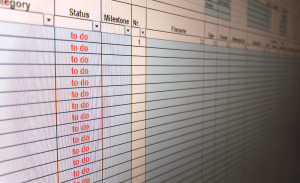
Sound designers are happy to provide you with a soundbook, an excel document or google sheet for you to fill out. It contains all the necessary categories and if you need help with anything, it can be a good idea to let the sound designer make certain decisions for you. Or even, for little extra budget, fill out the entire thing themselves after thoroughly testing a complete and current version of your project.

The soundbook is an everyday companion of the sound designer; it’s there to keep track of content, amount, status, feedback, budget, as well as revisions and updates that are exchanged. As soon as the asset count enters the double digits, there’s no way around it.

As the project progresses, remember to update the soundbook with feedback (also keep an eye out for questions from the sound designers).

The Soundbook: A Sound Designer's Everyday Companion

If you like, you can get started with this template we’ve put together. You can find a small example on the second tab:

Anyway, that’s it! We hope the pieces of information in this article helped you get a better picture of the audio world and serves to smoothen and enhance your workflow.

Are you interested in working together with our team for your next project? Contact us, we’re looking forward to creating an extraordinary music and sound experience together with you.

DISCOVER OUR SERVICES

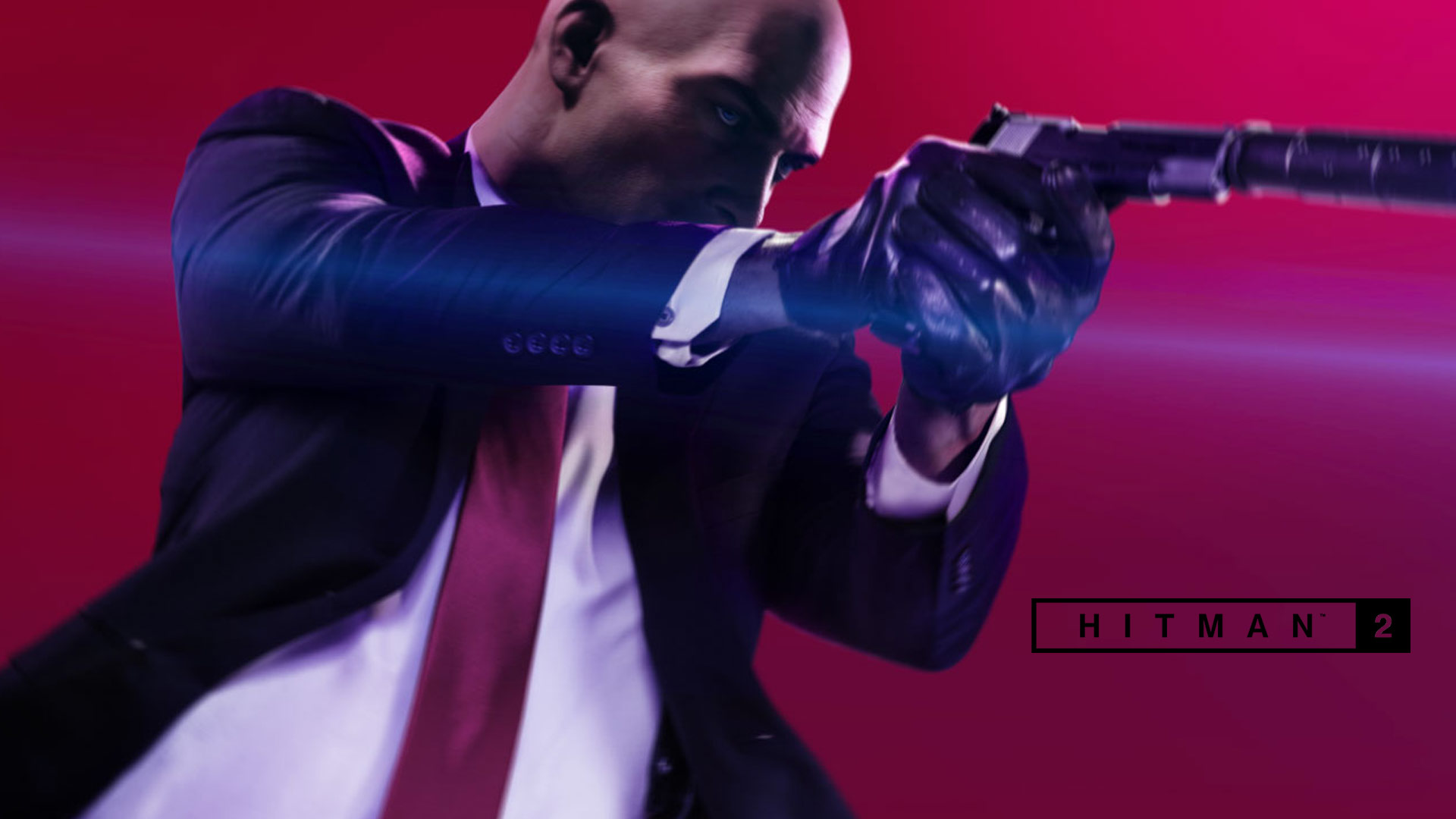
Hitman 2

Hitman 2 Agent 47 Silencer Dynamedion

Dynamedion Backs Up Agent 47 With Additional Music Composition

Project: Hitman 2

Client: IO Interactive

We Did: additional music composition


Dynamedion worked collaboratively with IO Interactive for their newest member of the Hitman series: Hitman 2. The seventh entry of the video game series continues where Hitman left off in 2016 and features a new cooperative multiplayer mode titled Sniper Assassin. Dynamedion now proudly announces its participation in additional music composition.

After contributing to Hitman (2016) and Hitman Absolution, Dynamedion now added to the most recent release of the popular stealth video game series. In total, half a dozen of Dynamedion’s composers worked industriously in additional music composition.

Our Senior Sound Designer and Project Manager Felix Diekhake gave us some insight into the project:

“We did custom diegetic for several scenes. After Hitman kept us busy with Italian Pop, Moroccan Hip Hop, Dub, A Virtual Band (The Class) and Swedish Baroque music, we now had the pleasure to delve into Dance Music, Kitschy Synth Pop, Indian Bollywood music and Cumbia.


The latter was a little challenging, as the music needed to be fit a scene where a live band is frequently interrupted – we delivered several stems, transitions and stops so the IOI team had enough material to create an interactive live experience.

As usual, the briefings and references from IOI were concise and to the point – and their choice of music challenging and fun.

The music was composed by Matthias Wolf, Armin Haas, Marvin Hartmann, Björn Obermann-Berger and Severin Schwarz. Hindi lyrics and Vocals were written and performed by Atif Afzal.”

Felix Diekhake

team_fdi

Are you interested in working together with our team for your next project? Contact us, we’re looking forward to creating an extraordinary music and sound experience together with you.


DISCOVER OUR SERVICES

Mortal Kombat 11

MK11_Dynamedion_Feature_Image

Dynamedion composes in-game fight music for Mortal Kombat 11 by NetherRealm Studios

Project: Mortal Kombat 11

Client: NetherRealm Studios

We Did: music composition

Dynamedion and NetherRealm Studios collaborated once again after the great success of past projects, such as Mortal Kombat X or Injustice 2. The newest addition of the long-running fighting game series Mortal Kombat 11 comes with music written by three of Dynamedion’s composers. Matthias Wolf and Armin Haas, headed by Tilman Sillescu, created a hybrid variety of styles supporting the game’s atmosphere. As the setting of each individual level changes, so does the musical flair, ranging from a Nordic Viking style over Arabic styles and even futuristic sounds to industrial elements. In the end they are all tied together by their modern synthetic sounds, grounded by winds and strings combined with guitars, heavy drums, and ethnic elements.

Our composers Armin and Matthias kindly gave some insights in the creative procedure and summarized the project:

“Each level consists of three rounds, all in the same musical style, but with an increasing intensity. In preparation for the project, Matthias and I listened to the tracks we had made for Mortal Kombat X to get back into the mood and discussed possible improvements. NetherRealm Studios provided footage of finished levels and sometimes only screenshots of settings that needed to be set to music. We then had to work out a proposal for the first round. After its approval we made a full 50-60 second version of the song and started working on the next round. Before we went on to a next level, we had to finish segments such as intros, breaks, finishes, and endings.”

Armin Haas

team_aha_small

“It was an unusual challenge to work with the significant ethnic sounds of each level. The goal was to always be aware of the level you are in but remain only be a short musical loop to musically visualize that level. Also, rhythms and schemes should not be too repetitive to keep up the energetic, but distinct fighting atmosphere.
Altogether, NetherRealm Studios were a benevolent and appreciative client. They were really pleased with our work and we hardly had to do any reworks.”

Matthias Wolf

team_mwo

Are you interested in working together with our team for your next project? Contact us, we’re looking forward to creating an extraordinary music and sound experience together with you.


DISCOVER OUR SERVICES

ANNO 1800

ac8c7b14644ae648ce63dea861253b58a48b35d4

Dynamedion composes full in-game soundtrack including live orchestra recordings for the upcoming ANNO 1800 by Ubisoft/Blue Byte

Project: ANNO 1800

Client: Ubisoft / Blue Byte

We Did: music composition, live orchestra recordings, soloist recordings


Dynamedion proudly supplies the full in-game soundtrack for the 7th part of the popular city building video game ANNO 1800, developed by Blue Byte and published by Ubisoft. After many successful collaborations with the series, Dynamedion once again created the soundtrack for the widespread real-time strategy game with a broad-based and experienced team.


You can get an idea of the amount of work Dynamedion has invested in this project by looking at the ANNO 1800 – Dynamedion Credit List:

Composer: Tilman Sillescu, Alex Roeder, Jochen Flach, Matthias Wolf, Armin Haas, Steffen Brinkmann

Creative Director Dynamedion: Tilman Sillescu

Orchestrator: David Christiansen

Orchestral Recording Session Frankfurt/Oder: Brandenburgisches Staatsorchester @ C.P.E. Bach Konzerthalle

Conductor: Bernd Ruf

Session Producer: David Christiansen

Recording Producer & Mixing Engineer: Holger Busse @ GENUIN recording group

Recording & Editing Engineer: Lisa Harnest @ GENUIN recording group

String Recording Session Budapest: Budapest Symphonic Scoring Orchestra recorded @ Hungarian Radio Station

Conductor: Peter Pejtsik

Session Producer: David Christiansen

Recording Engineer: Miklos Lukacs

Pro Tools Engineer: Gabor Bucko

Editing & Mixing Engineer: Christian Wirtz

Featured Vocalists: Birgit Auweiler, José Wolf

Solo Violin: Csongor Veer, Balazs Bujtor, recorded @ TomTom Studio

Solo Cello: Peter Hary, recorded @ TomTom Studio

Solo Bandoneon: Jörg Kinzius, recorded @ Simon Rahm Studio Düsseldorf

Dirk Riegert, Creative Director at Ubisoft:

„1701, 1404, 2070, 2205 and now 1800. Dynamedion and ANNO, they just belong together! The whole team around Tilman once again did an exceptional work and outstandingly supported us to bring the 19th century to blooming life! “

Alexander Röder, Lead Composer of Dynamedion:

„The musical work for ANNO 1800 has been very relaxing and creative. Ubisoft has had a clear vision and great ideas how the world of ANNO 1800 should sound. They supported us constructively and benevolently during the creative production. Altogether a very pleasant collaboration. “

Are you interested in working together with our team for your next project? Contact us, we’re looking forward to creating an extraordinary music and sound experience together with you.


DISCOVER OUR SERVICES

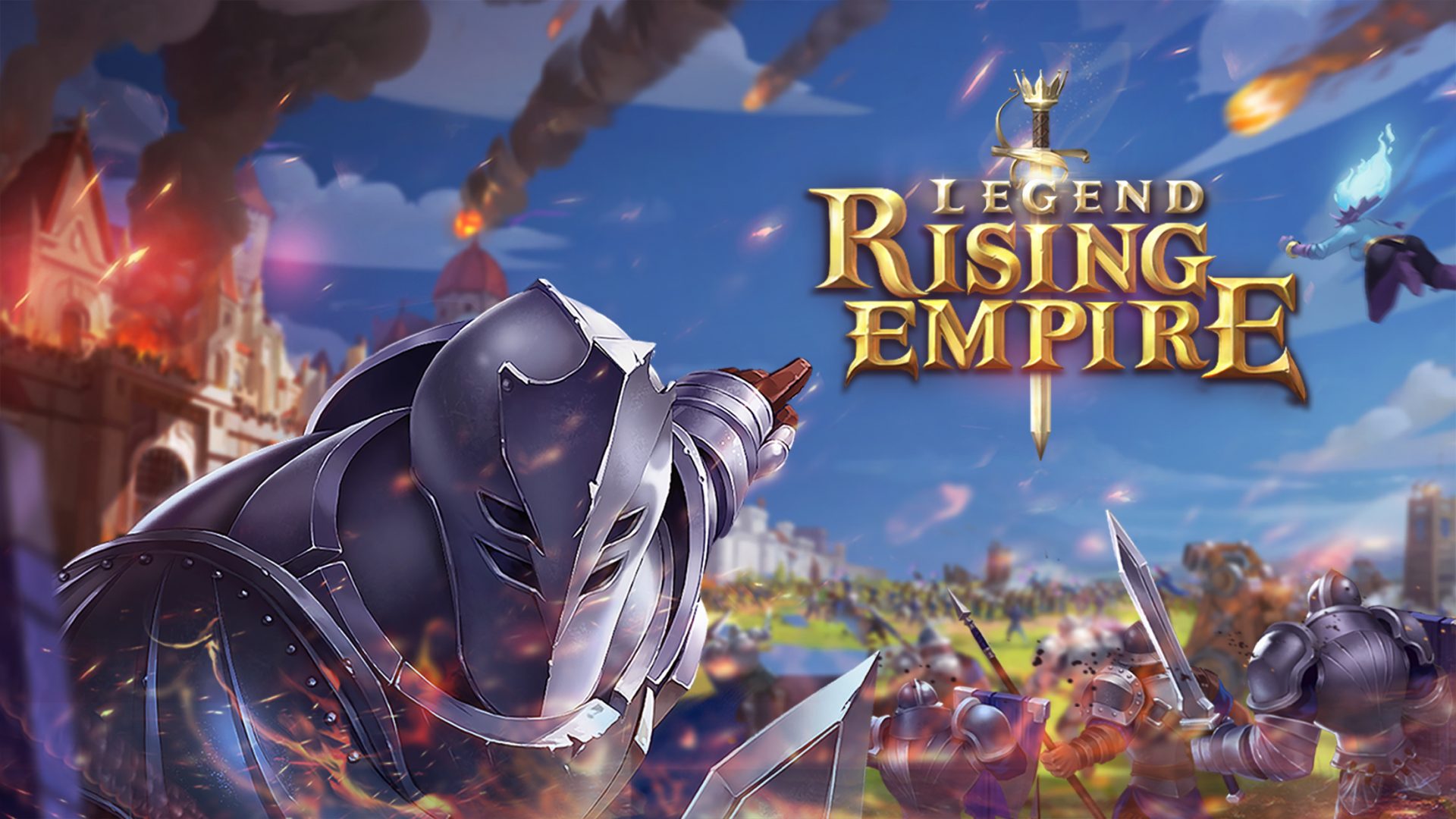
Legend: Rising Empire

Legend: Rising Empire by NetEase Games, the massive building and tactical strategy game set in medieval times has been released for iOS and Android!

legendrisingempire

With music by Dynamedion including a lyrical vocal theme featuring Akina Ingold, Legend: Rising Empire becomes a far-away world of its own, an experience which players can fully immerse themselves in by putting on headphones and enjoying the lively, exciting and often relaxing atmosphere while raising their bustling, lively, mighty empire.

Enjoy listening to a few tracks from the game!

Tilman Sillescu, Composer

team_tsi

“Composing the soundtrack for such a beautiful, medieval fantasy setting such as in Legend: Rising Empire is always a special treat.

Laying the groundwork with orchestral music, the tracks have been complemented with medieval instruments such as flutes, celtic harps and lutes. This way the soundtrack helps the player to fully dive into the wonderful game world with all their senses.”

Legend: Rising Empire Gameplay Trailer

DISCOVER OUR SERVICES

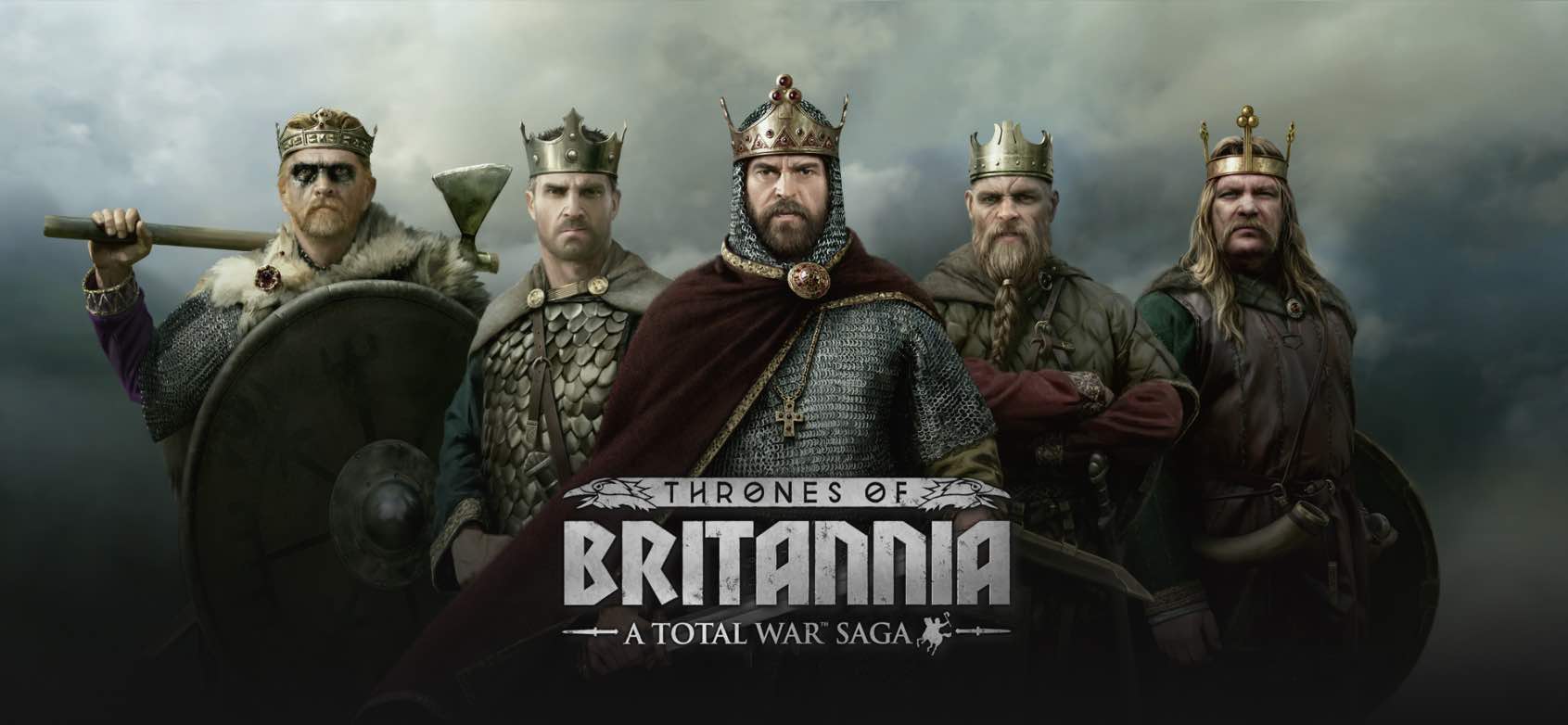
Total War Saga: Thrones of Britannia

We are proud to have been part of the international composing team on Total War Saga: Thrones Of Britannia, creating around
1/3 of the in-game soundtrack.

TOB

What should music be like for a strategy game set in the British Isles of the 9th century? Audio director Richard Beddow and audio designer Jack Melham knew they wanted to have a score that should be epic and large enough to embody a full-scale war. Orchestral but coloured with period instruments’ melodies and ideas depicting a medieval Britain shaped by the Dark Ages and Vikings.

“Creating the score for Total War Saga: Thrones Of Britannia required delivering on a concept that captured the drama and atmosphere of the Dark Ages, fusing ancient English, Highland, Celtic and Nordic elements to create the Medieval setting.

To that end, we assembled an international team of music producers, musicians, crew and processes to deliver the soundtrack and were very happy with the results and with Dynamdions collaboration as part of that team and in helping us craft a great score.  They were professional to work with, able to understand our focus, and respond to our feedback” – Richard Beddow (Audio Director)

Working with Creative Assembly to understand their vision and direction, shaping the tone of the Medieval world within the game and under the ever gently guiding hands of Tilman Sillescu, Dynamedion’s Creative Director, the composers Alex Röder, Nicolai Patricio and Henning Nugel went to work last autumn knowing little of what varied − at times − crazy stuff they would end up with by January this year. Let’s hear it from themselves:

Alex Röder

AR6_0531

“We all soon found that a lot of modern orchestral devices would not work for this setting. As we wanted to create a very gritty and rustic atmosphere we dropped the bright trumpets from the start and also cut the shimmering trombones’ sound so often heard in today’s scores. In the end we only left some brass for the epic battle and skirmish tracks but killed most of the brass for the more detailed and closer feeling situations like pre-battle, threat and at-war campaign tracks.

With Henning being more of a violin-guy, I am more into flutes, using them to play live quite often in this project to give the music some raw and medieval flavour. I used a low whistle which can be played very expressively and threw in some effects like overblowing and rolling the tone like a “rrrr” to create this rawness we were after.

I mostly created threatening moods, so my challenge was to sound medieval but still dark and foreboding and not like your normal tavern tune. I also used some gritty-sounding string instruments which were carefully chosen samples to stay on medieval ground and not sound too polished and modern.

My first demo music 

starts off with some battle mood just to switch into tension. I used a medieval monks’ choir to set the dark mood and some rusty strings here and there.

The second demo

 starts by setting a sacred mood using choir and flutes and leads into some minor action cue using the same instrumentation. Then it delves into a dark tension mood featuring some low flutes and a sad cello concluding with an evolving action theme with dissonant choirs and penetrating ethnic string instruments.”


Nicolai Patricio

team_npa_small

“Creating a sound that is appropriate, both for the setting and scope of the game, proved to be quite a challenge. We found out that many modern harmonic progressions would not fit, and also there needed to be a focus on solo instruments, supported by the epic sound of the orchestra. We ended up doing a lot of iterations until we were sure that the music felt right for Thrones Of Britannia.

I had the chance to write a couple of marching tracks that you can hear right in the beginning of the my track.

To create an ominous marching feel I started with a basic rhythm on low drums and fleshed out the core idea from there. The drums consist mainly of taikos, which are Japanese percussion instruments, but since they have a lot of body and a very “wooden” quality to their sound, it felt appropriate for the setting of the game and purpose of these tracks. With some staccato strings I added more rhythmic energy to the music while the low brass motifs made it more powerful and aggressive. In the second half you can hear a choir rising to a climax that gives a strong sense of impending battle.

The third part of the track starting at 1:36 minutes plays on the world map when the game is in a state of war. It starts off with a bass drone and a slow drum beat to portray the preparations for battle and the “quiet before the storm”. A cello motif and some violin tremolos rise to add a feeling of danger. Then you can hear a sad and pensive melody played on a medieval lute, which is a string instrument that resembles the classical guitar that we are more accustomed to nowadays. This melody is harmonized with perfect 4ths and 5ths, which are harmonic intervals very typical for medieval choir music. Then the track slowly grows with strings and choir accompanied by the drum beat. In this section, you can also hear a couple of Nyckelharpas harmonizing at 2:58. They are traditional Swedish bowed string instruments with a very rich and rustic texture and therefore well-suited for the game.”      


Henning Nugel

team_nbr_small

“Like Alex and Nicolai I did quite some tracks for the regular in-game music. But I also got the chance to score all the faction intros and about all the endings. So I really could get creative on how to differentiate the varied peoples inhabiting Britain at the end of the 9th century.

Apart from the orchestral colors my palette for Britannia consisted of some special instruments. For one I used my violin extensively which I tuned down a complete fourth on all strings, so I got to the D instead of G on the lowest string. This gave it a really dark and rustic feel, kind of like a vielle. I also often played an Irish flute for its dark and breathy timbre.

For the christianized Anglos-Saxons I used some liturgic monks’ chants as colours here and there but most of all the violin was played in a more reserved, orderly manner albeit still earthy. Instead the Vikings got scratchier violin sounds and effects and scrappy metallic sounding percussions. I also used an old totally mistuned tin whistle (I dubbed it the “rust whistle”) and played an Irish cittern for additional grittyness.

You can hear the differences in this mix I created for this blog.

It starts off with a Viking tune leading into an Anglo-Saxon one. This is followed by an Irish-Scottish piece with whistles and pipes and closes with a dark tune for the northern Welsh with some yearning female vocals (wonderful Conny Kollet – also of the Dynamedion team).

The second track I cut together features the Vikings again but also some Anglo-Saxons with the afore-mentioned monks’ choir. There’s also a part where I played some low whistle, which is quite a modern instrument and mostly associated with Irish folk music. But I really like the sad and yearning quality of the instrument which made me choose this for the western Welsh.

There’s a last track where I featured some of the more uplifting music I composed for the various success movies. It also features the few recorder/Irish flute duos I composed and played for the game.”


Are you also interested in music composition? Check out our services and tell us more about your project!